

Top Notes
Adriatic fig leaf
Ripe fig
Thyme
Rosemary
Heart Notes
Fleur de sel accord
Extra virgin olive oil accord
Black olive
Red clay accord
Base Notes
Mediterranean pine
Fir balsam
Mediterranean cypress
Intro
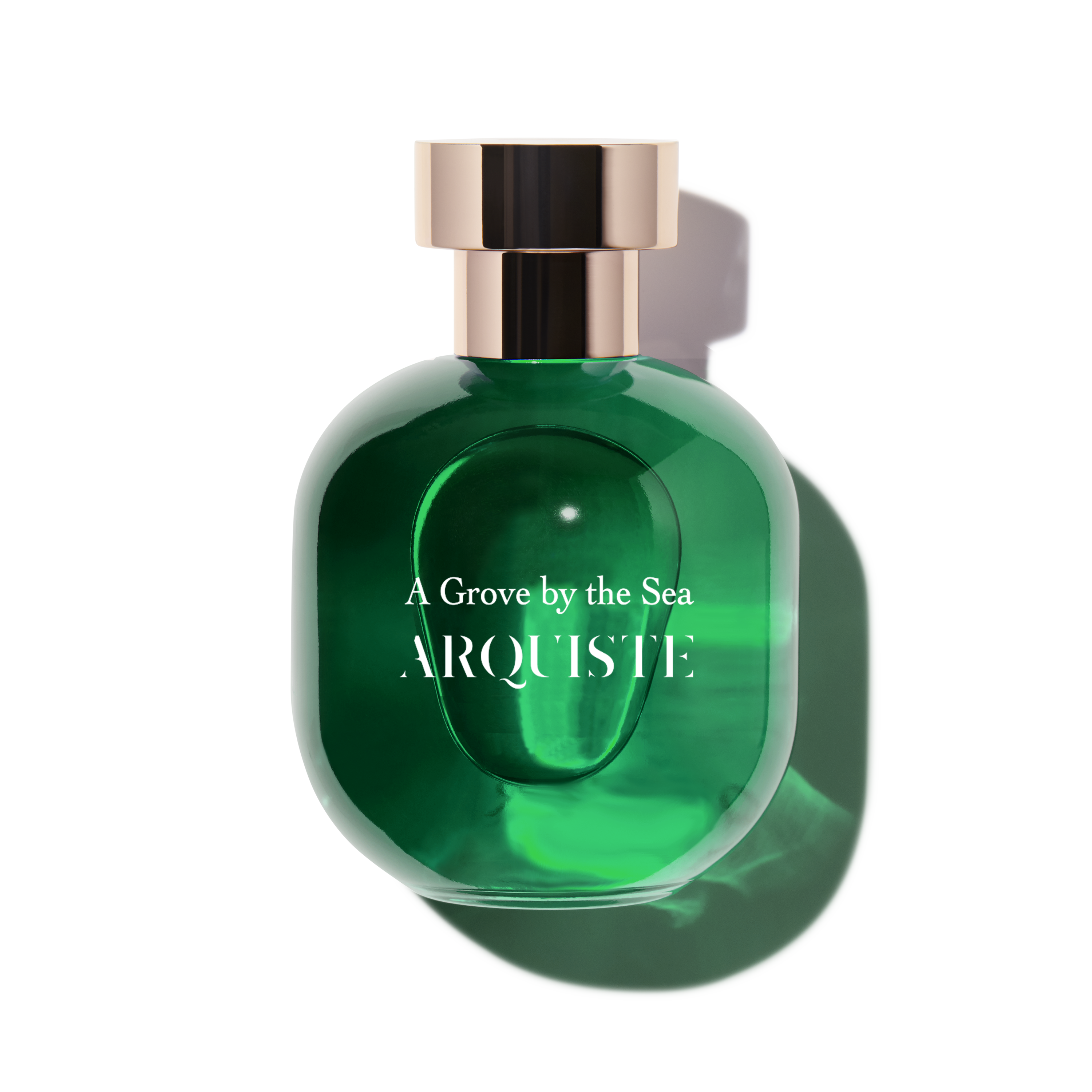
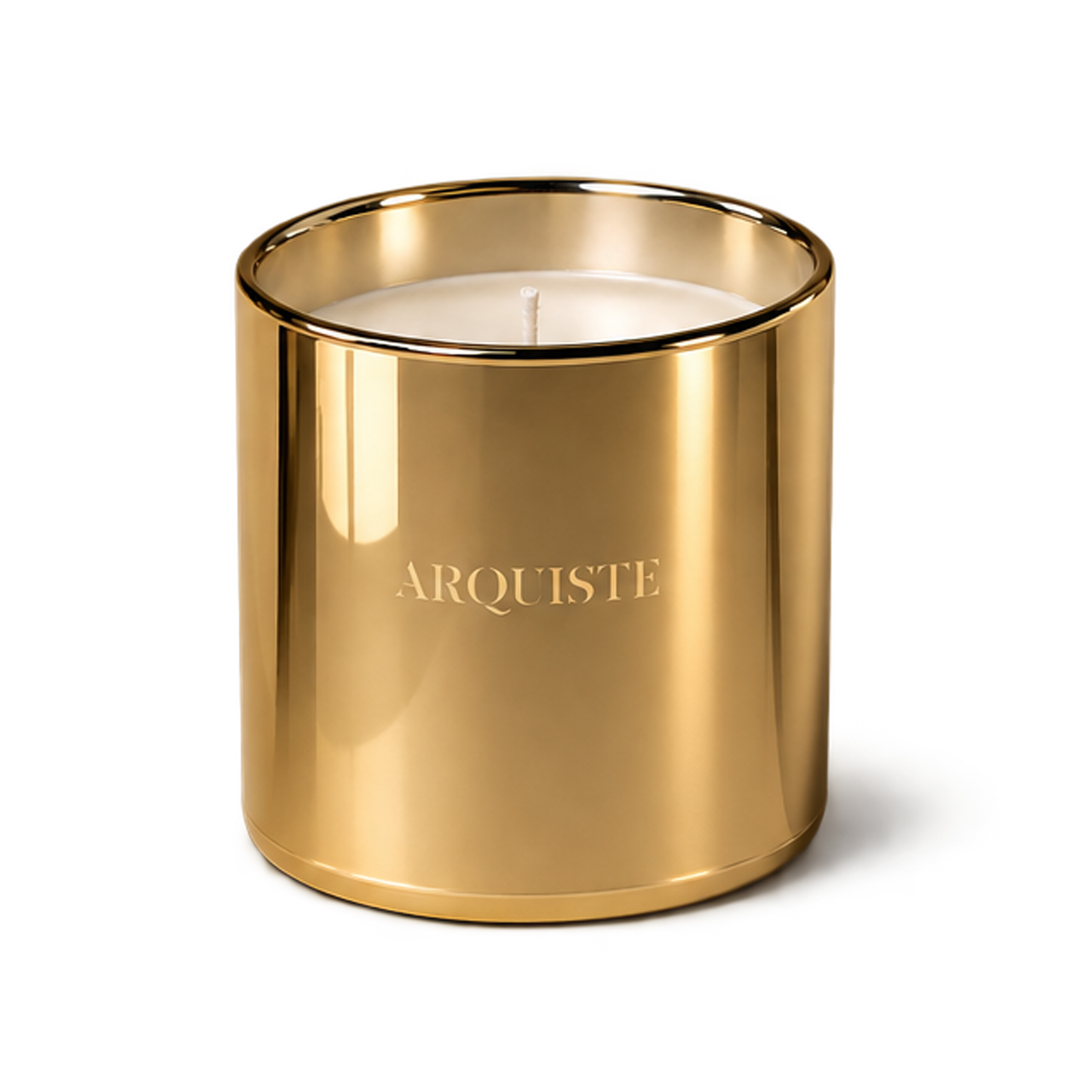
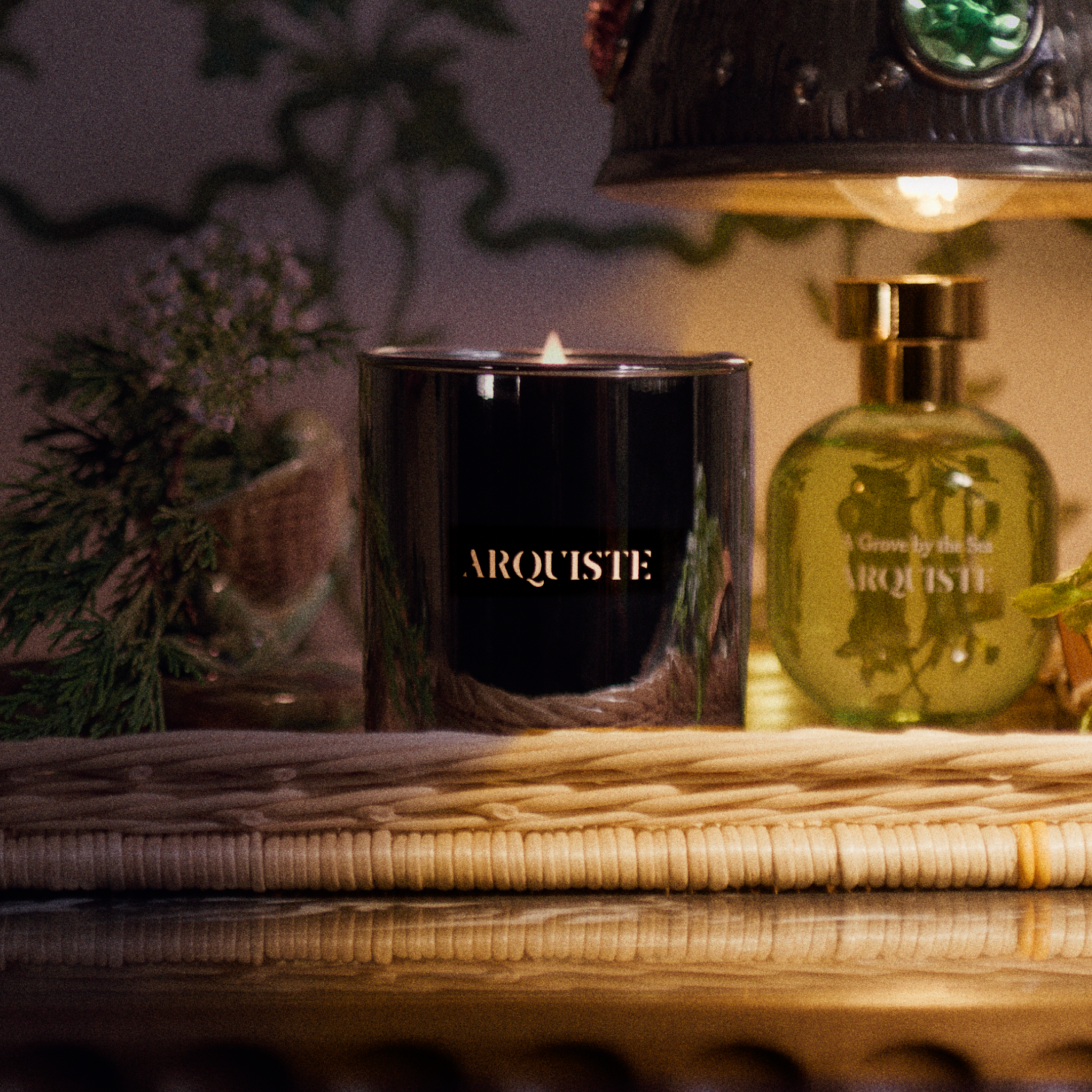
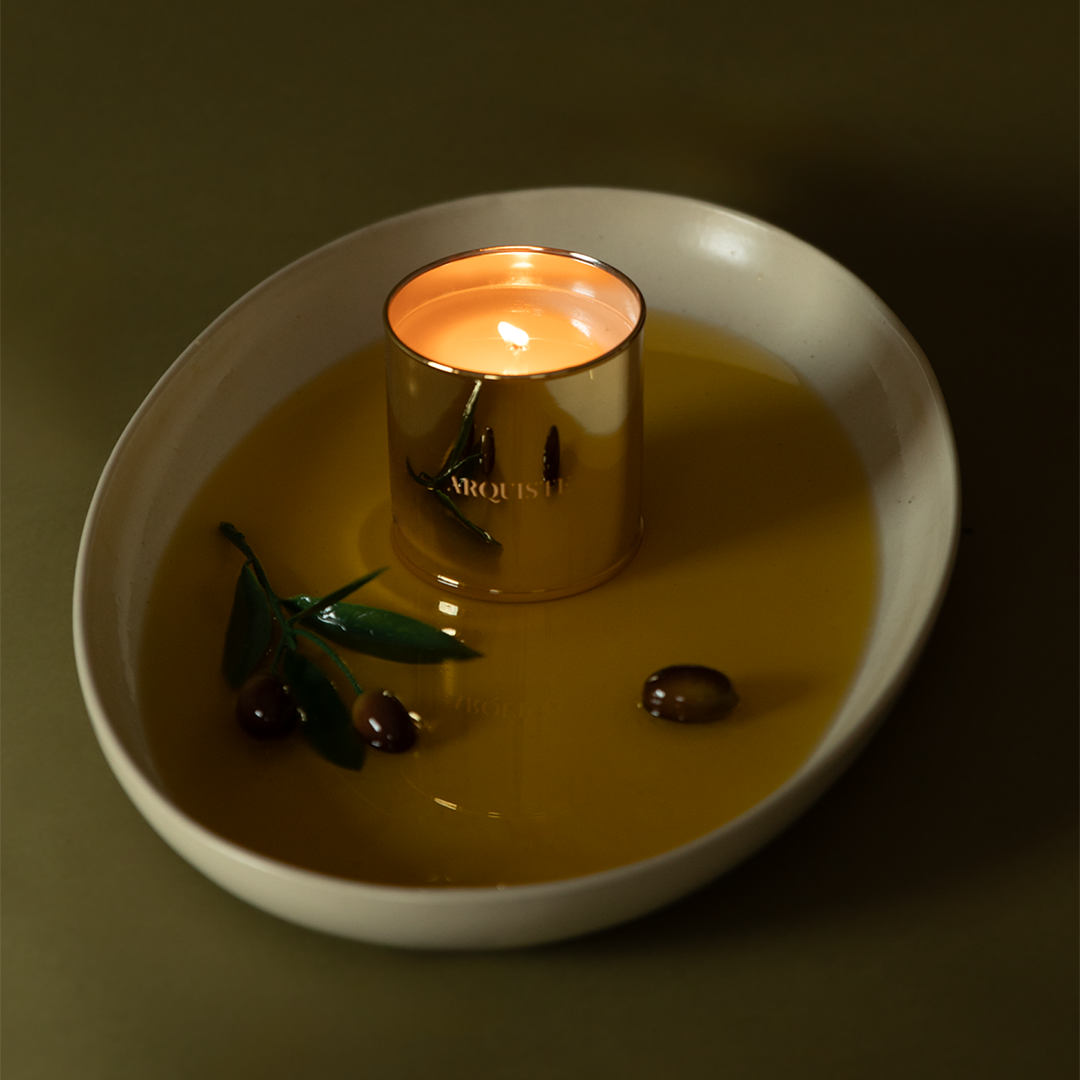
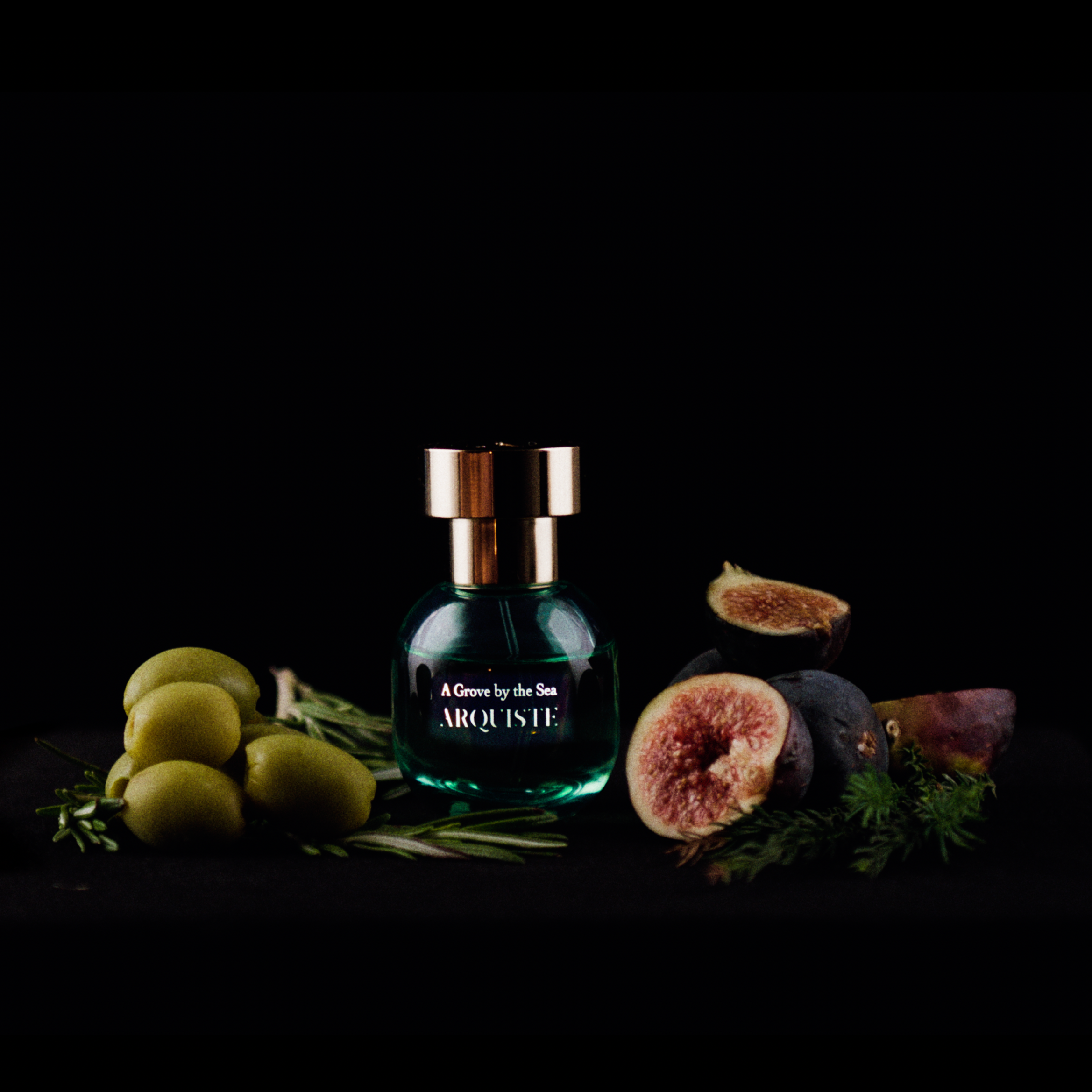
Based on our best-selling eau de parfum. A window into an evergreen, aromatic landscape: A sunny, pine-filled island in the Adriatic, olive and fig groves by the small harbor; black olives, thyme, rosemary and the scent of freshly extracted olive oil.
History
Olfactive Restoration: Lopud Island, Adriatic sea, August 1508.
Morning light spills across ancient stone terraces overlooking the Adriatic. Fig trees bend beneath ripening fruit while silvery olive branches shimmer in the sea breeze. Crushed herbs release their perfume beneath every footstep, and warm limestone radiates the afternoon sun long into evening. The scent of fresh olive oil mingles with cypress, pine and salt carried inland from the water.
Here, the landscape itself becomes architecture: an open room bounded only by sky and sea, where every breeze carries the memory of the Mediterranean.
Developed with Rodrigo Flores-Roux.
Description
More
- Lopud, one of the three main islands in the Elaphiti archipelago, a 45-minute boat ride from Dubrovnik. Called Isola di Mezzo back when Dubrovnik was the Republic of Ragusa, Lopud sits between Šipan and Koločep, two other evergreen islands. Covered in pine, cypress, overgrown olive groves and fruit orchards, they’re dotted with abandoned Medieval and Renaissance-era stone villas and farms that provided the sustenance for the prosperous old Republic. Lopud suffered an earthquake in the 17th century that left it largely abandoned and untouched until the 20th century. Since then, day trippers come to enjoy quiet, clear waters and perfect sand at Sunj bay, then leave the island to the locals and a small community of expats who have restored the old stone houses along a hill near the Franciscan monastery, once the center of life on the island.
- Purchased by the Republic of Dubrovnik in the 11th century, Lopud became a seat for the republic’s governor in 1459 and many noble families built summer estates here. By the 17th century, 14,000 people were living on Lopud where the shipping industry and sea trade was flourishing. Sadly when the earthquake of 1667 hit, the island was never again able to attain its former glory and today less than 300 people live on the island.
- The Franciscan Monastery was founded in 1483 on the east side of the island overlooking Lopud bay. By the end of the Croatian War of Independence in 1995, the site was home to a functioning church amidst ruined buildings, former gardens, an unused fortress, and vacant land. Earthquakes, fire, and abandonment had undermined the site's survival, weakening the walls and encouraging rampant vegetation growth.
- For a long time Lopud was known as the island of "Sea Captains", the birthplace of the most famous seafarers in the Dubrovnik Republic. In the past, it was the summer residence of ancient aristocracy and today you can still admire these ancient fortifications and medieval churches, a visible sign of the historical importance of the island.
Bio
- Wallace, Chris, “A Venetian's Retreat: Toto Bergamo-Rossi's Home in Croatia”, Cabana Magazine, Milano, 2024. With enormous thanks to Toto Bergamo Rossi.
- Vekaric, Nenad. The Population of the Dubrovnik Republic in the Fifteenth, Sixteenth, and Seventeenth Centuries, Dubrovnik Annals, 1998.
-Orbini, Mauro, Il Regno de gli Slavi hoggi corrottamente detti Schiavoni. Pesaro: Apresso Girolamo Concordia, 1601.
- Dragan Roler, Agrarno-proizvodni odnosi na području Dubrovačke Republike: od XIII. do XV. stoljeća, Jugoslavenska akademija znanosti i umjetnosti, 1955.
- Villari, Luigi, The Republic of Ragusa: An Episode of the Turkish Conquest, J.M. Dent & Co., London 1904.
– Harris, Robin, Dubrovnik: A History, Saqi Books, London, 2003.
– Groom, Nigel, The New Perfume Handbook, Chapman & Hall, London, 1997.
– Genders, Roy, “Perfume through the Ages”, G.P. Putnam’s Sons, New York, 1972.
Image

A GROVE BY THE SEA
Payment Methods





Shipping
To help ensure your order arrives safely and on time, ARQUISTE® ships exclusively with UPS and FedEx Ground. ARQUISTE® strongly recommends adding ROUTE package protection. Please note ARQUISTE ships exclusively within the continental US.
A GROVE BY THE SEA
Top Notes
Adriatic fig leaf
Ripe fig
Thyme
Rosemary
Heart Notes
Fleur de sel accord
Extra virgin olive oil accord
Black olive
Red clay accord
Base Notes
Mediterranean pine
Fir balsam
Mediterranean cypress
Intro
Based on our best-selling eau de parfum. A window into an evergreen, aromatic landscape: A sunny, pine-filled island in the Adriatic, olive and fig groves by the small harbor; black olives, thyme, rosemary and the scent of freshly extracted olive oil.
History
Olfactive Restoration: Lopud Island, Adriatic sea, August 1508.
Morning light spills across ancient stone terraces overlooking the Adriatic. Fig trees bend beneath ripening fruit while silvery olive branches shimmer in the sea breeze. Crushed herbs release their perfume beneath every footstep, and warm limestone radiates the afternoon sun long into evening. The scent of fresh olive oil mingles with cypress, pine and salt carried inland from the water.
Here, the landscape itself becomes architecture: an open room bounded only by sky and sea, where every breeze carries the memory of the Mediterranean.
Developed with Rodrigo Flores-Roux.
Description
More
- Lopud, one of the three main islands in the Elaphiti archipelago, a 45-minute boat ride from Dubrovnik. Called Isola di Mezzo back when Dubrovnik was the Republic of Ragusa, Lopud sits between Šipan and Koločep, two other evergreen islands. Covered in pine, cypress, overgrown olive groves and fruit orchards, they’re dotted with abandoned Medieval and Renaissance-era stone villas and farms that provided the sustenance for the prosperous old Republic. Lopud suffered an earthquake in the 17th century that left it largely abandoned and untouched until the 20th century. Since then, day trippers come to enjoy quiet, clear waters and perfect sand at Sunj bay, then leave the island to the locals and a small community of expats who have restored the old stone houses along a hill near the Franciscan monastery, once the center of life on the island.
- Purchased by the Republic of Dubrovnik in the 11th century, Lopud became a seat for the republic’s governor in 1459 and many noble families built summer estates here. By the 17th century, 14,000 people were living on Lopud where the shipping industry and sea trade was flourishing. Sadly when the earthquake of 1667 hit, the island was never again able to attain its former glory and today less than 300 people live on the island.
- The Franciscan Monastery was founded in 1483 on the east side of the island overlooking Lopud bay. By the end of the Croatian War of Independence in 1995, the site was home to a functioning church amidst ruined buildings, former gardens, an unused fortress, and vacant land. Earthquakes, fire, and abandonment had undermined the site's survival, weakening the walls and encouraging rampant vegetation growth.
- For a long time Lopud was known as the island of "Sea Captains", the birthplace of the most famous seafarers in the Dubrovnik Republic. In the past, it was the summer residence of ancient aristocracy and today you can still admire these ancient fortifications and medieval churches, a visible sign of the historical importance of the island.
Bio
- Wallace, Chris, “A Venetian's Retreat: Toto Bergamo-Rossi's Home in Croatia”, Cabana Magazine, Milano, 2024. With enormous thanks to Toto Bergamo Rossi.
- Vekaric, Nenad. The Population of the Dubrovnik Republic in the Fifteenth, Sixteenth, and Seventeenth Centuries, Dubrovnik Annals, 1998.
-Orbini, Mauro, Il Regno de gli Slavi hoggi corrottamente detti Schiavoni. Pesaro: Apresso Girolamo Concordia, 1601.
- Dragan Roler, Agrarno-proizvodni odnosi na području Dubrovačke Republike: od XIII. do XV. stoljeća, Jugoslavenska akademija znanosti i umjetnosti, 1955.
- Villari, Luigi, The Republic of Ragusa: An Episode of the Turkish Conquest, J.M. Dent & Co., London 1904.
– Harris, Robin, Dubrovnik: A History, Saqi Books, London, 2003.
– Groom, Nigel, The New Perfume Handbook, Chapman & Hall, London, 1997.
– Genders, Roy, “Perfume through the Ages”, G.P. Putnam’s Sons, New York, 1972.
Image