
Top Notes
Sesame seed
Cinnamon bark
Hazelnut accord
Heart Notes
Cocoa bean absolute
Red clay
Smoked chili infusion (ancho, guajillo and chipotle)
Base Notes
Mexican vanilla bean
Cedar wood
Resinous-chypre accord
Intro
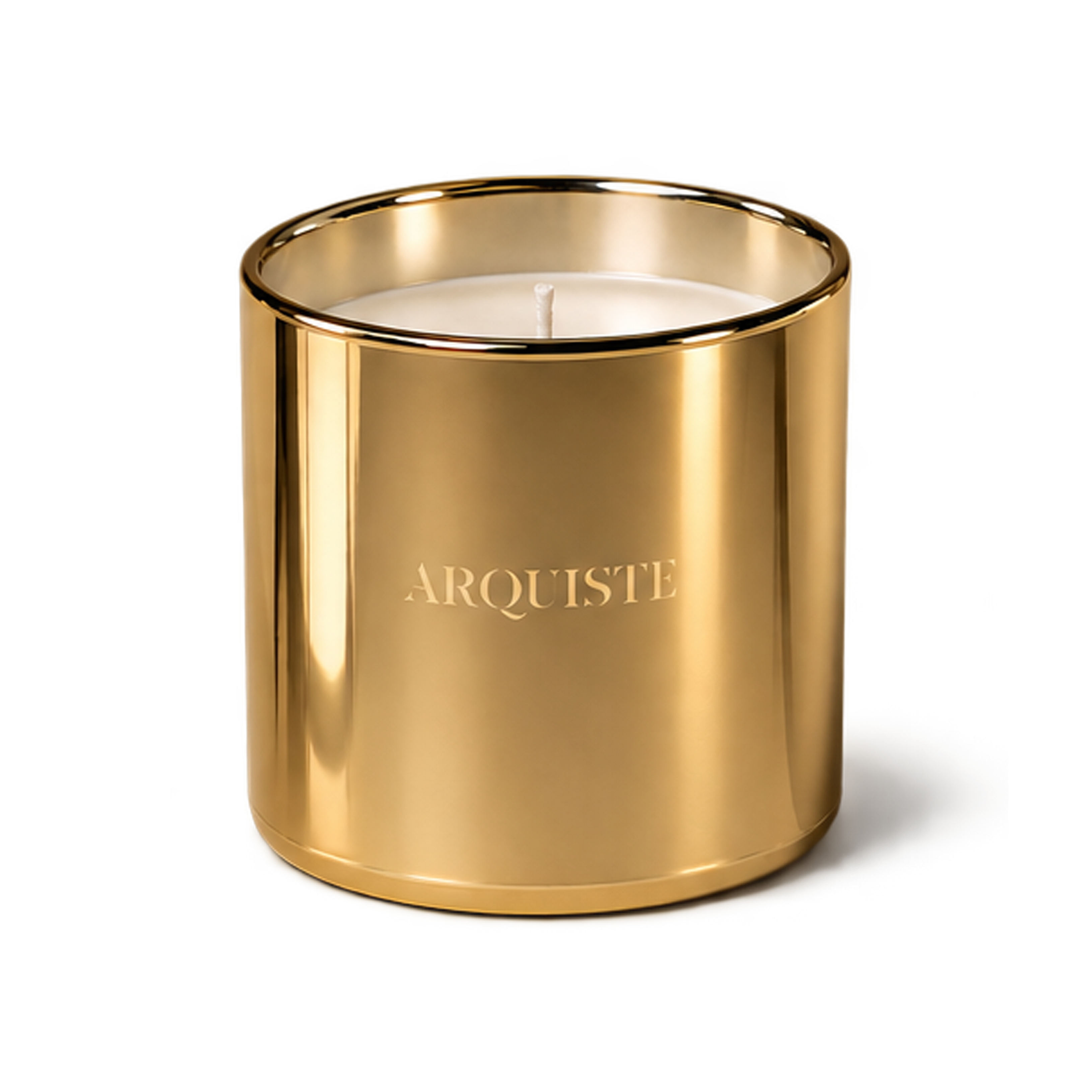
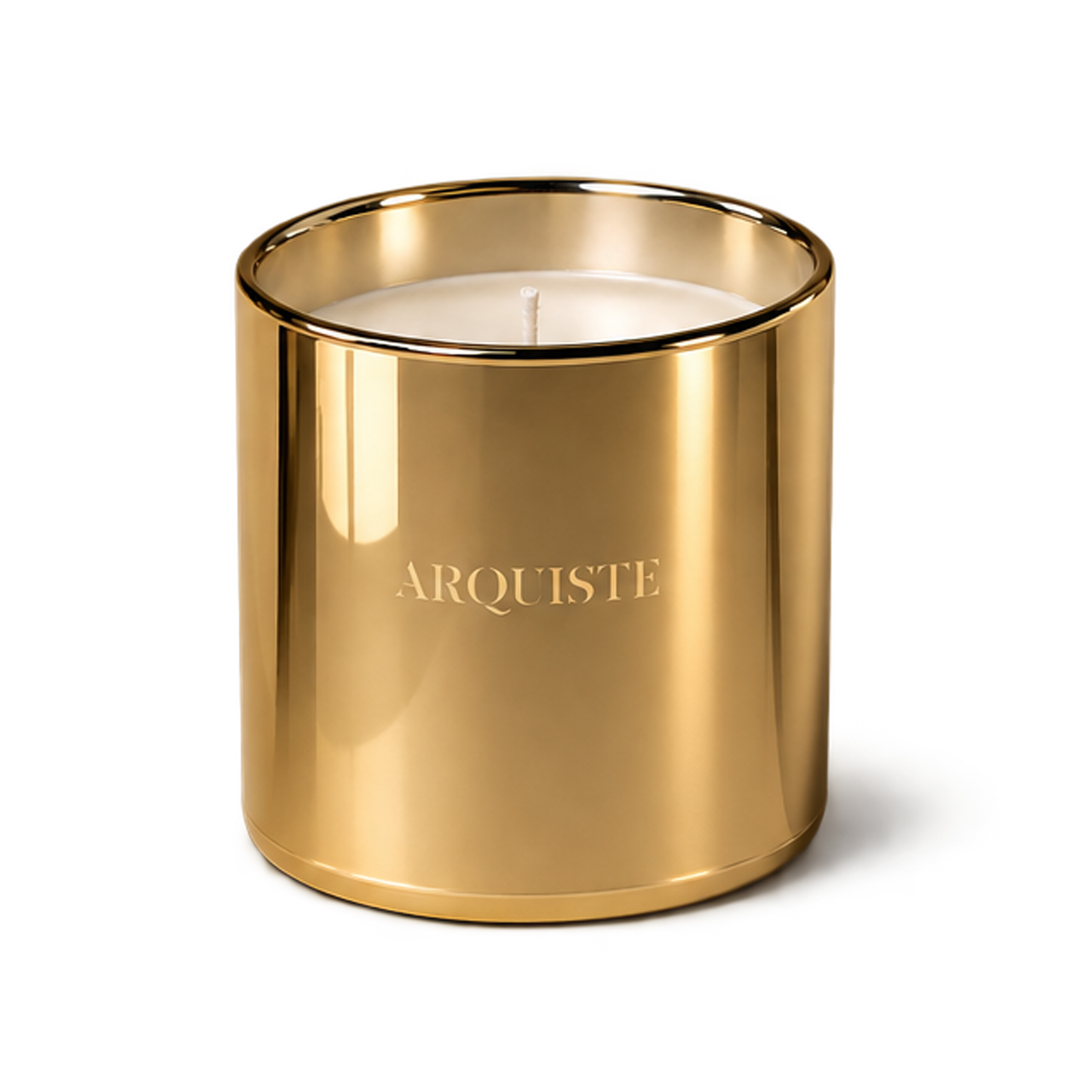
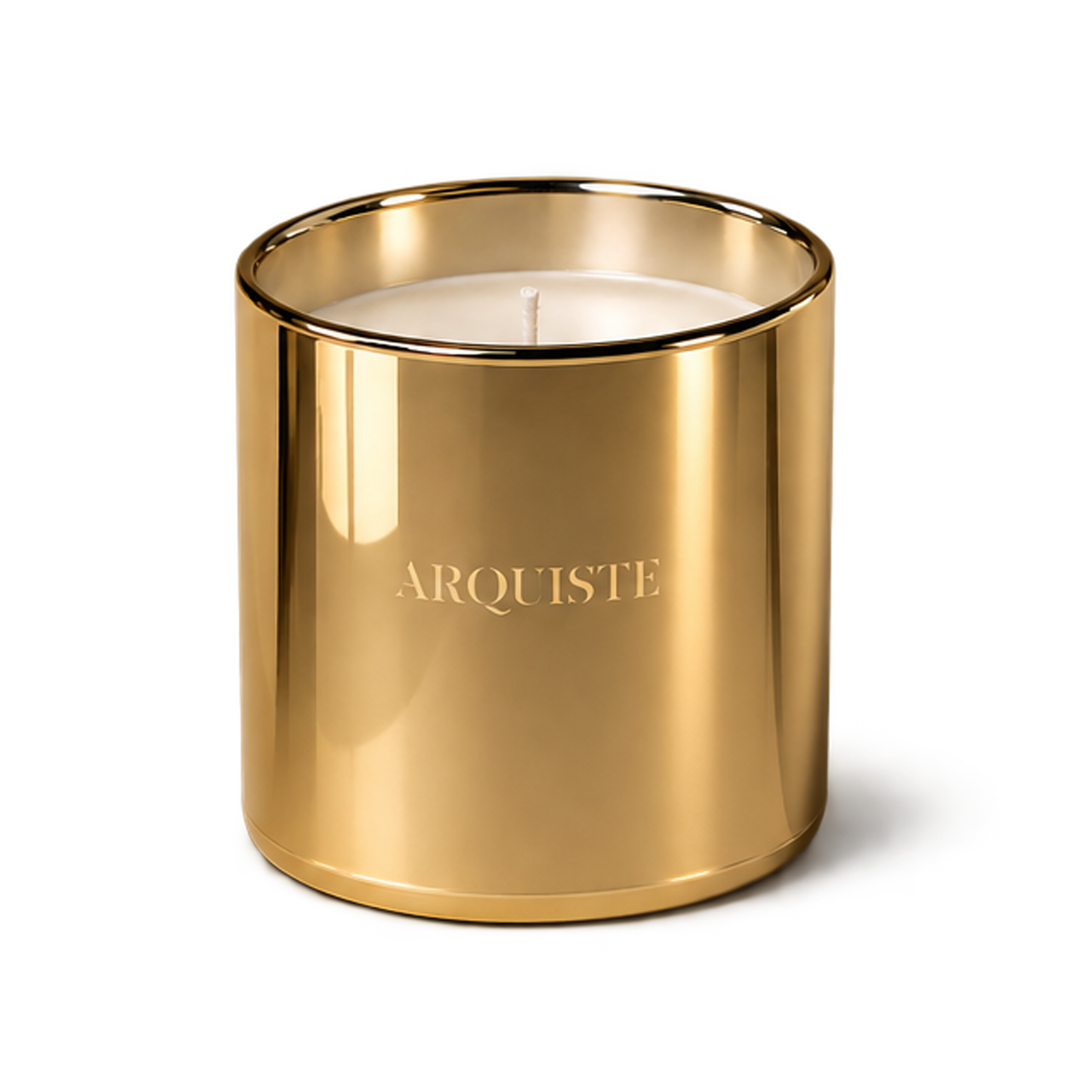
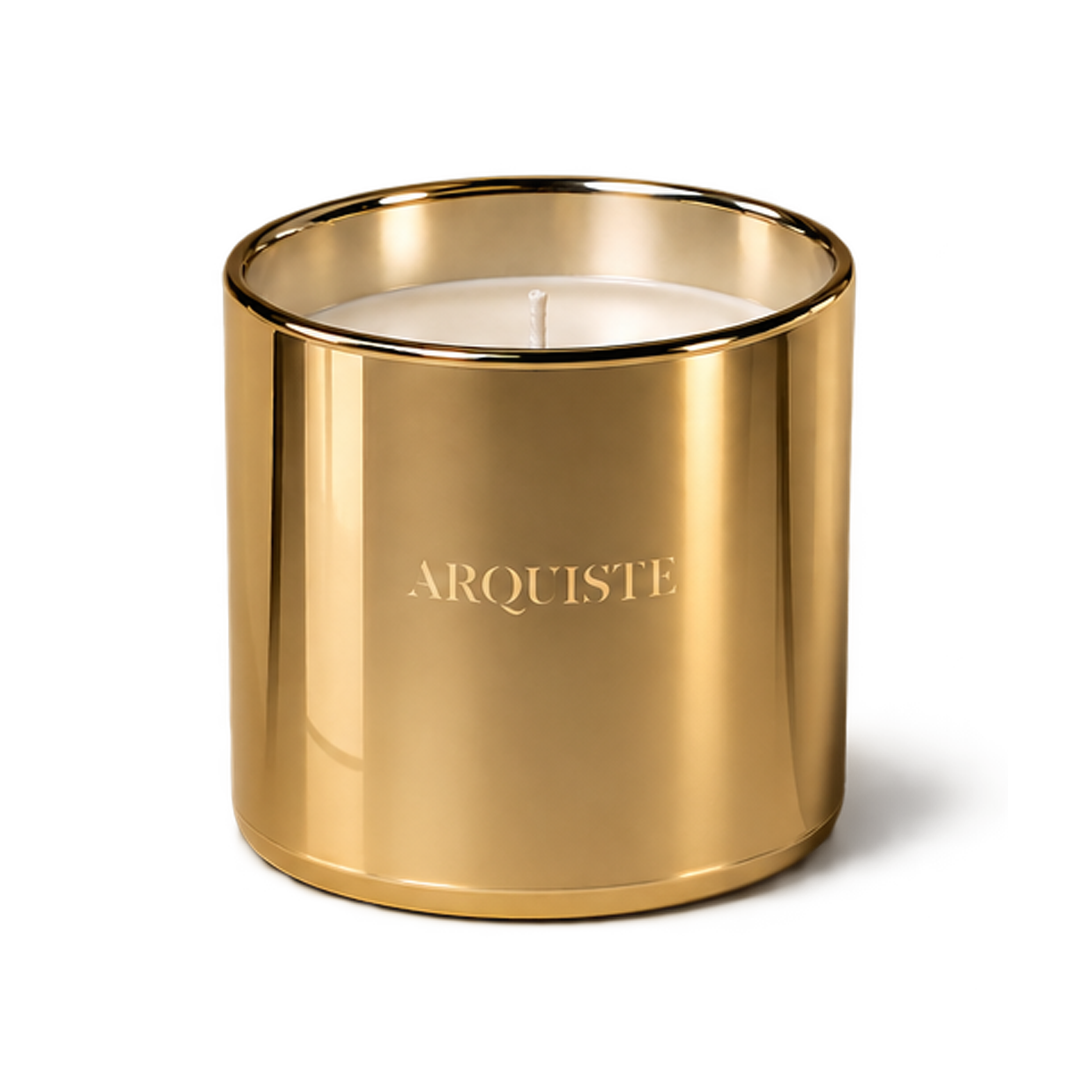
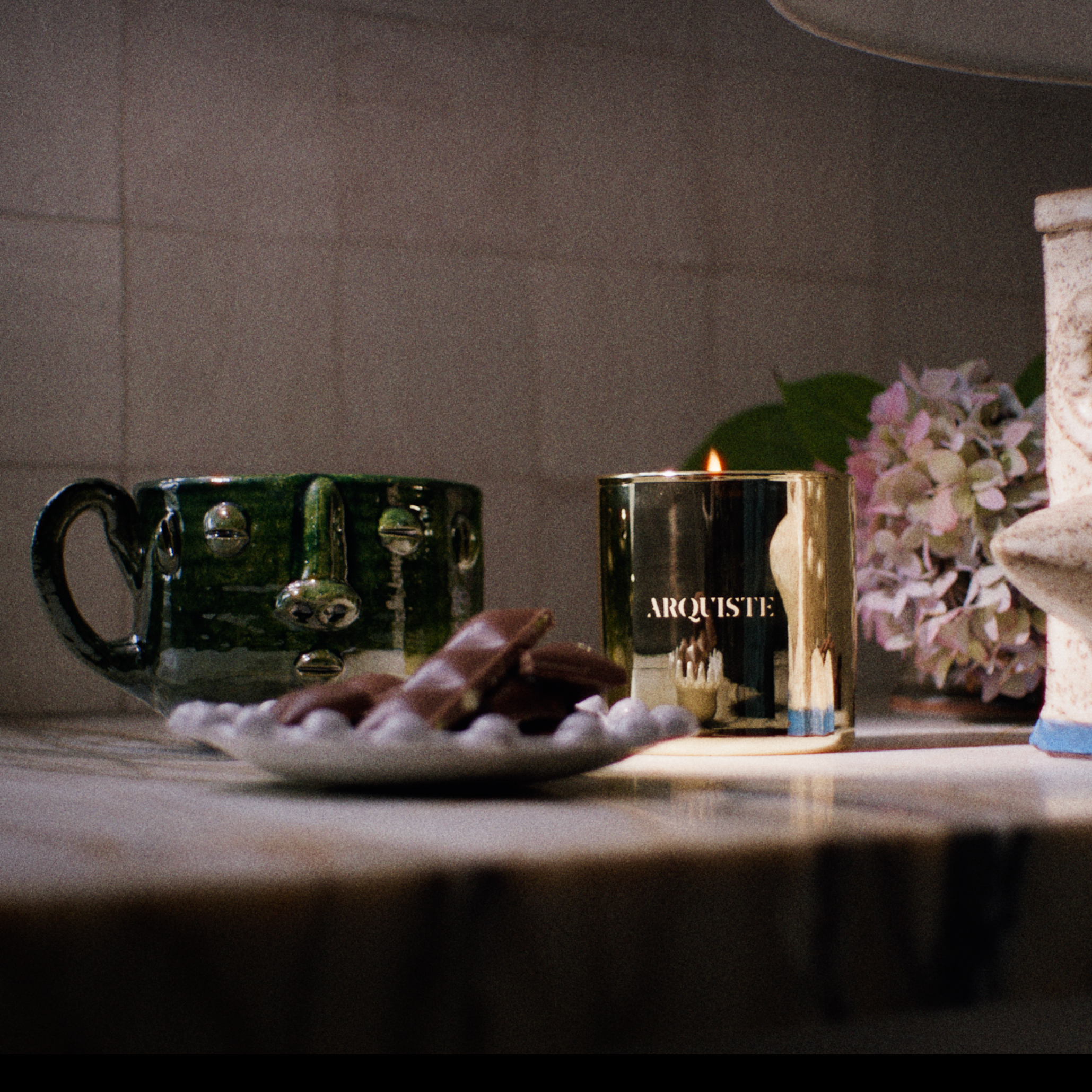
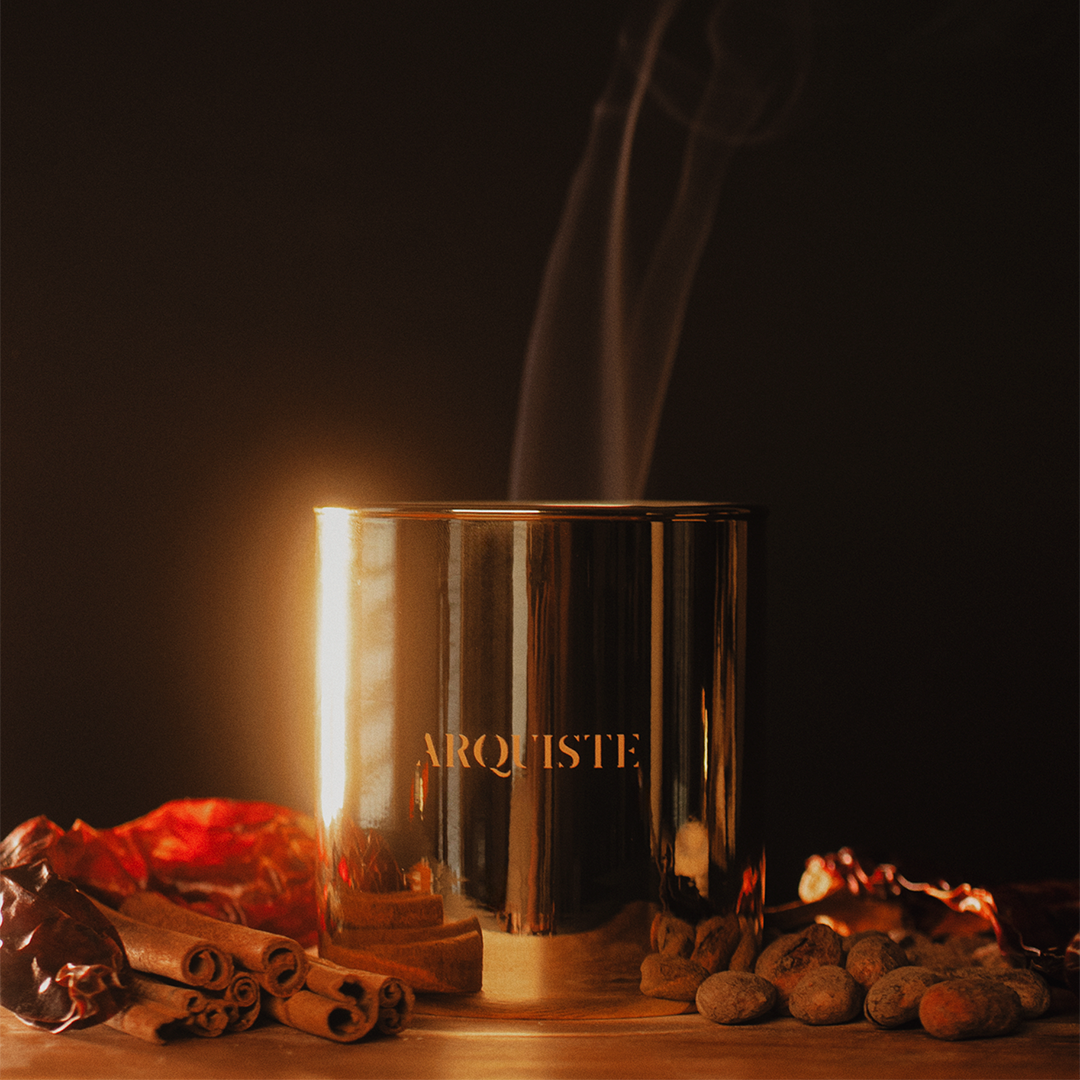
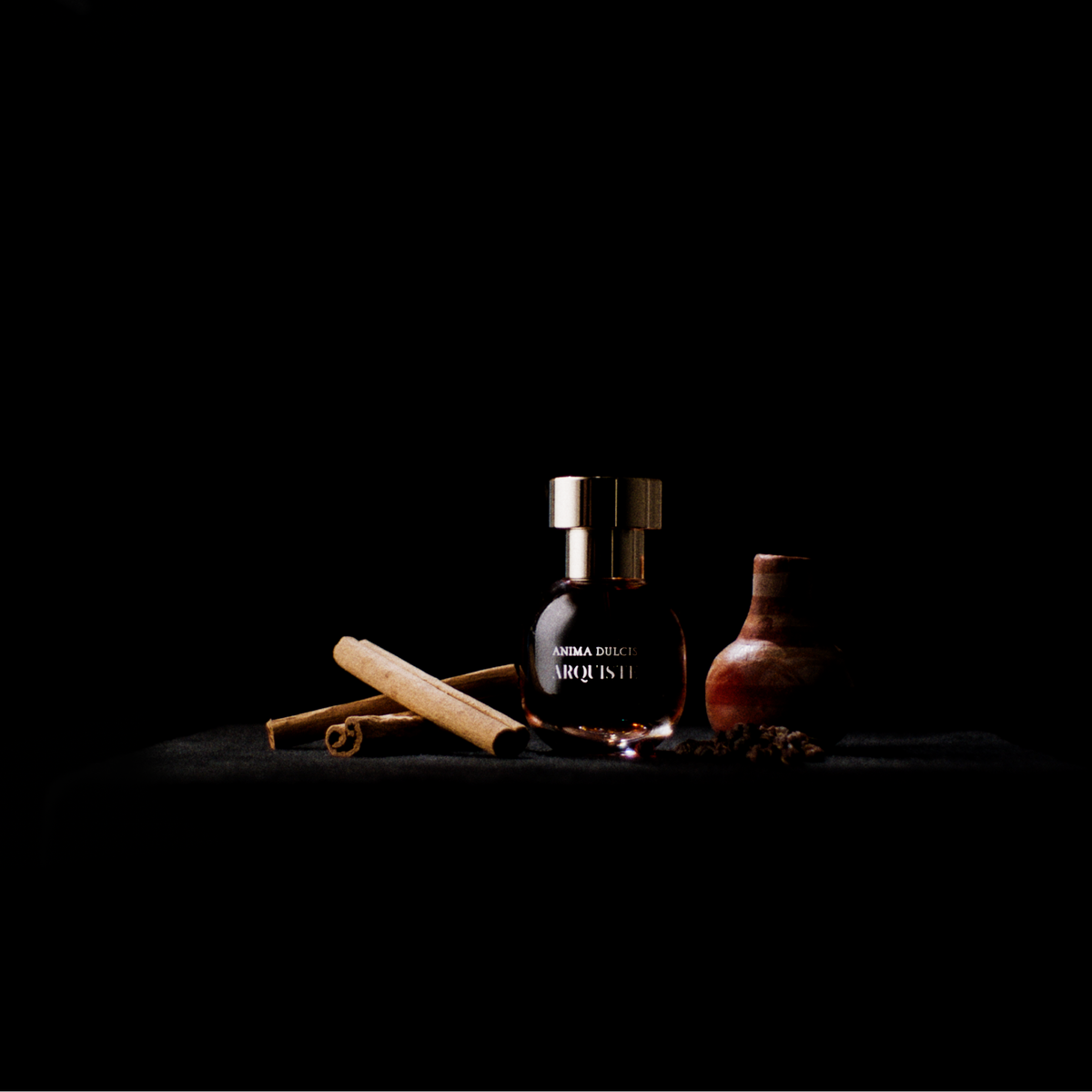
A spicy Mexican chocolate scented candle inspired by the Baroque kitchens of Mexico City convents, the fragrant setting for our fragrance ANIMA DULCIS.
History
Olfactive Restoration: Royal Convent of Jesús María, Mexico City, November 1695.
The convent kitchen is alive before dawn. Copper pots simmer slowly over wood fires beneath carved cedar beams darkened by centuries of smoke. Stone mortars release cinnamon, sesame and roasted cacao while vanilla perfumes the warm air. Nearby, incense drifts quietly from the adjoining chapel, where sacred ritual and daily life exist without distinction.
Developed with Nicole Mancini, Rodrigo Flores-Roux and Yann Vasnier.
Description
More
- Deep in the heart of Mexico City in 1695, a group of nuns gathers together in the kitchen to concoct a cherished recipe. Blending together rich chocolate and spices in earthenware pots, the nuns brew a hot cocoa recipe that had become well known all over the Viceregal city.
- MEXICAN BAROQUE captures the scents that fill the kitchen, blending cocoa absolute, Mexican vanilla, and smoked chilies together with cedar wood and red clay.
- Modern Mexican food was born during the Baroque period. Within the many convent kitchens in the cities of New Spain, recipes combining Asian, European and Mexican ingredients, seasonings and techniques became a a true Baroque expression of feeling, emotion and opulence.
- The Royal Convent of Jesus Maria was founded in 1578 for the female descendants of the Spanish conquistadors. Wealthy and aristocratic, they turned the convent into their own secret world. There is an account from 1695 stating two gourmand recipes that were a specialty of the convent: A rich, spiced hot cocoa and a traditional Spanish bread pudding.
Bio
– De Sigüenza y Góngora, Carlos, Parayso Occidental, plantado y cultivado en su magnífico Real Convento de Jesüs María de México, Mexico, 1684.
– Álvarez Gasca, Pedro, History of the Convent, document dated 1934; from the file found at the National Coordination of Historic Monuments, INAH.
– Benitez, Fernando, Los Demonios en el Convento: Sexo y Religion en la Nueva España, Ediciones Era, Mexico DF, 1985.
– Recetario de Dona Dominga de Guzman (a recipe book from 1750), Consejo Nacional para la Cultura y las Artes – Direccion General de Culturas Populares, Mexico, 1997.
– Corcuera de Mancera, Sonia, Entre gula y templanza: Un aspecto de la historia mexicana, Fondo de Cultura Economica, México, 1990.
Image

MEXICAN BAROQUE
Payment Methods





Shipping
To help ensure your order arrives safely and on time, ARQUISTE® ships exclusively with UPS and FedEx Ground. ARQUISTE® strongly recommends adding ROUTE package protection. Please note ARQUISTE ships exclusively within the continental US.
MEXICAN BAROQUE
Top Notes
Sesame seed
Cinnamon bark
Hazelnut accord
Heart Notes
Cocoa bean absolute
Red clay
Smoked chili infusion (ancho, guajillo and chipotle)
Base Notes
Mexican vanilla bean
Cedar wood
Resinous-chypre accord
Intro
A spicy Mexican chocolate scented candle inspired by the Baroque kitchens of Mexico City convents, the fragrant setting for our fragrance ANIMA DULCIS.
History
Olfactive Restoration: Royal Convent of Jesús María, Mexico City, November 1695.
The convent kitchen is alive before dawn. Copper pots simmer slowly over wood fires beneath carved cedar beams darkened by centuries of smoke. Stone mortars release cinnamon, sesame and roasted cacao while vanilla perfumes the warm air. Nearby, incense drifts quietly from the adjoining chapel, where sacred ritual and daily life exist without distinction.
Developed with Nicole Mancini, Rodrigo Flores-Roux and Yann Vasnier.
Description
More
- Deep in the heart of Mexico City in 1695, a group of nuns gathers together in the kitchen to concoct a cherished recipe. Blending together rich chocolate and spices in earthenware pots, the nuns brew a hot cocoa recipe that had become well known all over the Viceregal city.
- MEXICAN BAROQUE captures the scents that fill the kitchen, blending cocoa absolute, Mexican vanilla, and smoked chilies together with cedar wood and red clay.
- Modern Mexican food was born during the Baroque period. Within the many convent kitchens in the cities of New Spain, recipes combining Asian, European and Mexican ingredients, seasonings and techniques became a a true Baroque expression of feeling, emotion and opulence.
- The Royal Convent of Jesus Maria was founded in 1578 for the female descendants of the Spanish conquistadors. Wealthy and aristocratic, they turned the convent into their own secret world. There is an account from 1695 stating two gourmand recipes that were a specialty of the convent: A rich, spiced hot cocoa and a traditional Spanish bread pudding.
Bio
– De Sigüenza y Góngora, Carlos, Parayso Occidental, plantado y cultivado en su magnífico Real Convento de Jesüs María de México, Mexico, 1684.
– Álvarez Gasca, Pedro, History of the Convent, document dated 1934; from the file found at the National Coordination of Historic Monuments, INAH.
– Benitez, Fernando, Los Demonios en el Convento: Sexo y Religion en la Nueva España, Ediciones Era, Mexico DF, 1985.
– Recetario de Dona Dominga de Guzman (a recipe book from 1750), Consejo Nacional para la Cultura y las Artes – Direccion General de Culturas Populares, Mexico, 1997.
– Corcuera de Mancera, Sonia, Entre gula y templanza: Un aspecto de la historia mexicana, Fondo de Cultura Economica, México, 1990.
Image