
Top Notes
Mexican acacia
Marigold
Crushed leaf accents
Heart Notes
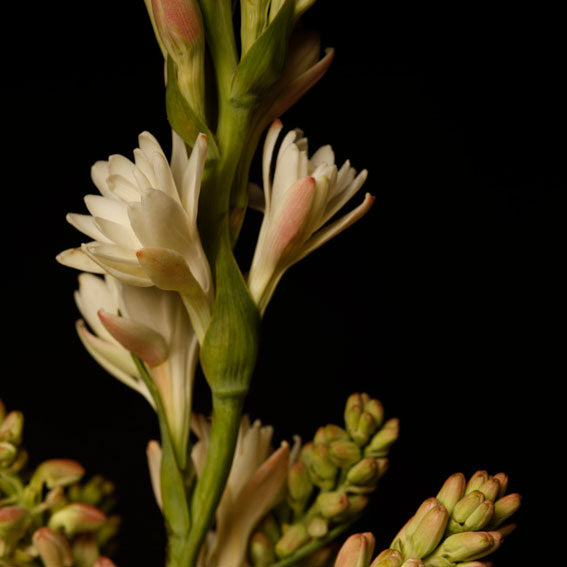
Tuberose absolute
Magnolia grandiflora
Red and white plumeria
Base Notes
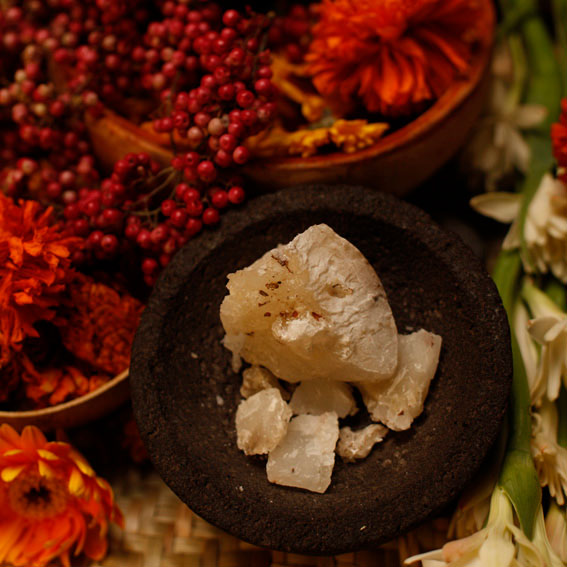
Copal (Mexican incense)
Benzoin
Mexican vanilla bean
Intro
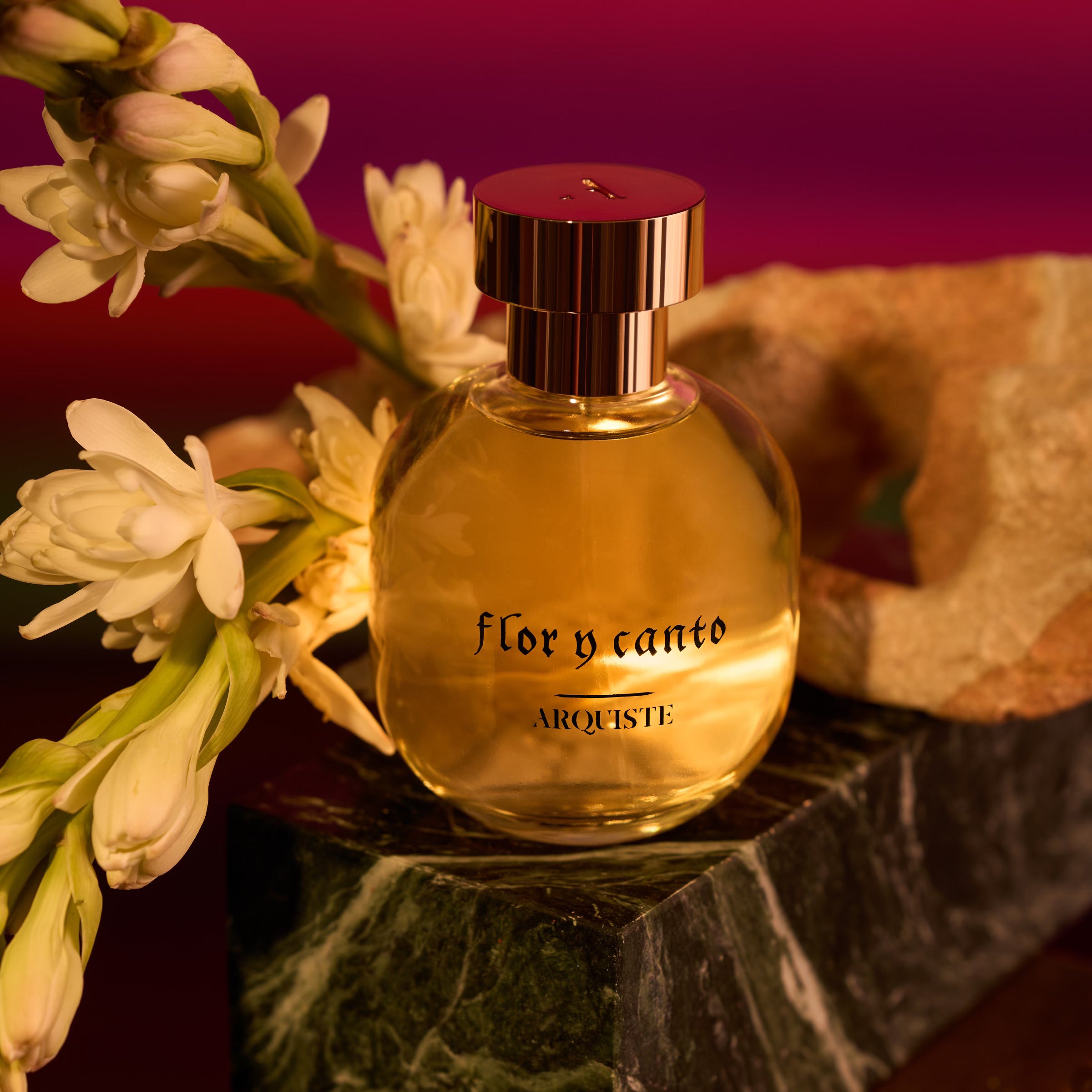
In Aztec Mexico, flowers were an august offering to Gods and Princes. Transporting you to a temple altar where heaps of flowers exude their intoxicating scent, FLOR Y CANTO is a white floral fragrance with a subtle copal incense base. Focusing on the highest quality natural essences and absolutes of five native Mexican flowers: Mexican tuberose, magnolia grandiflora, plumeria, marigold and wild acacia.
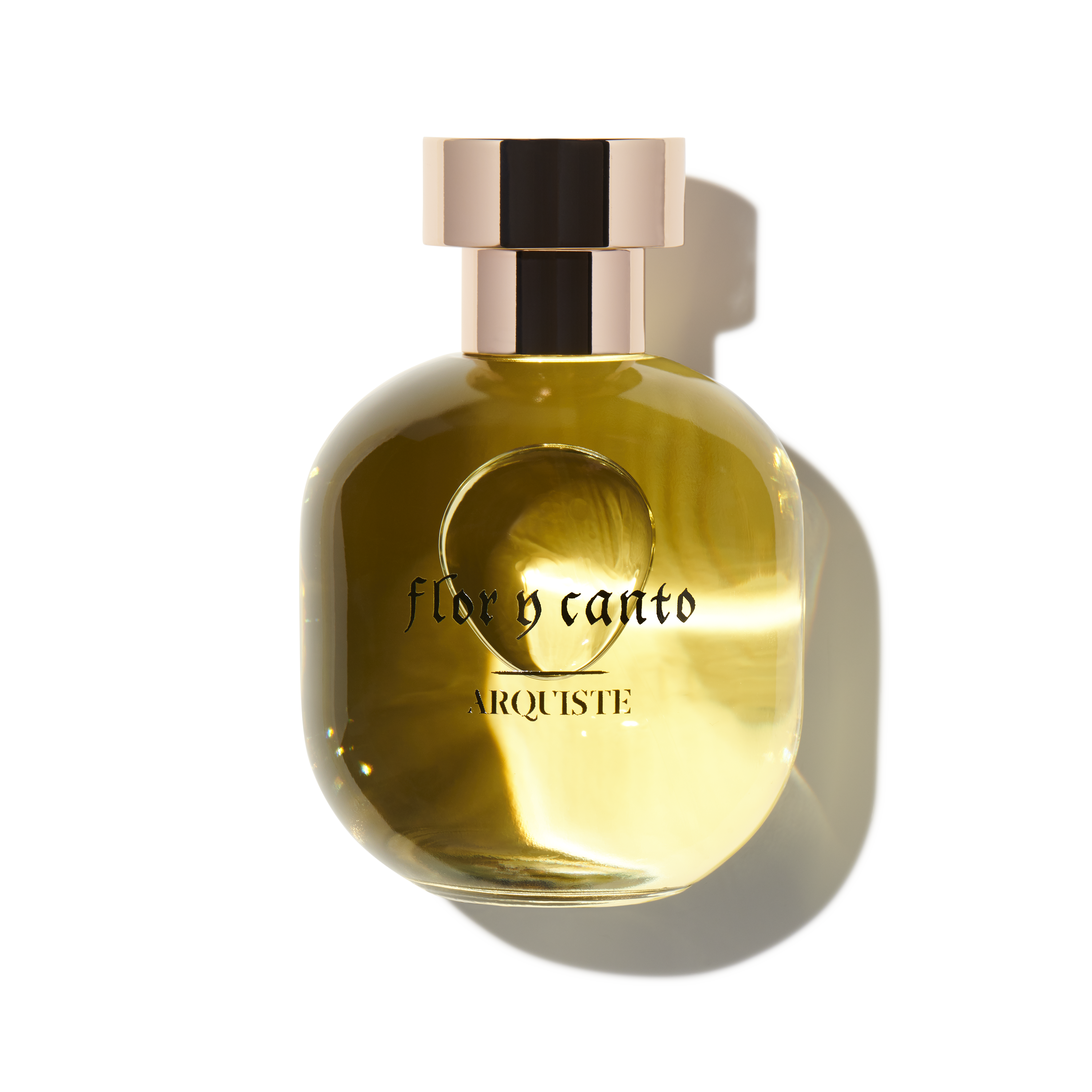
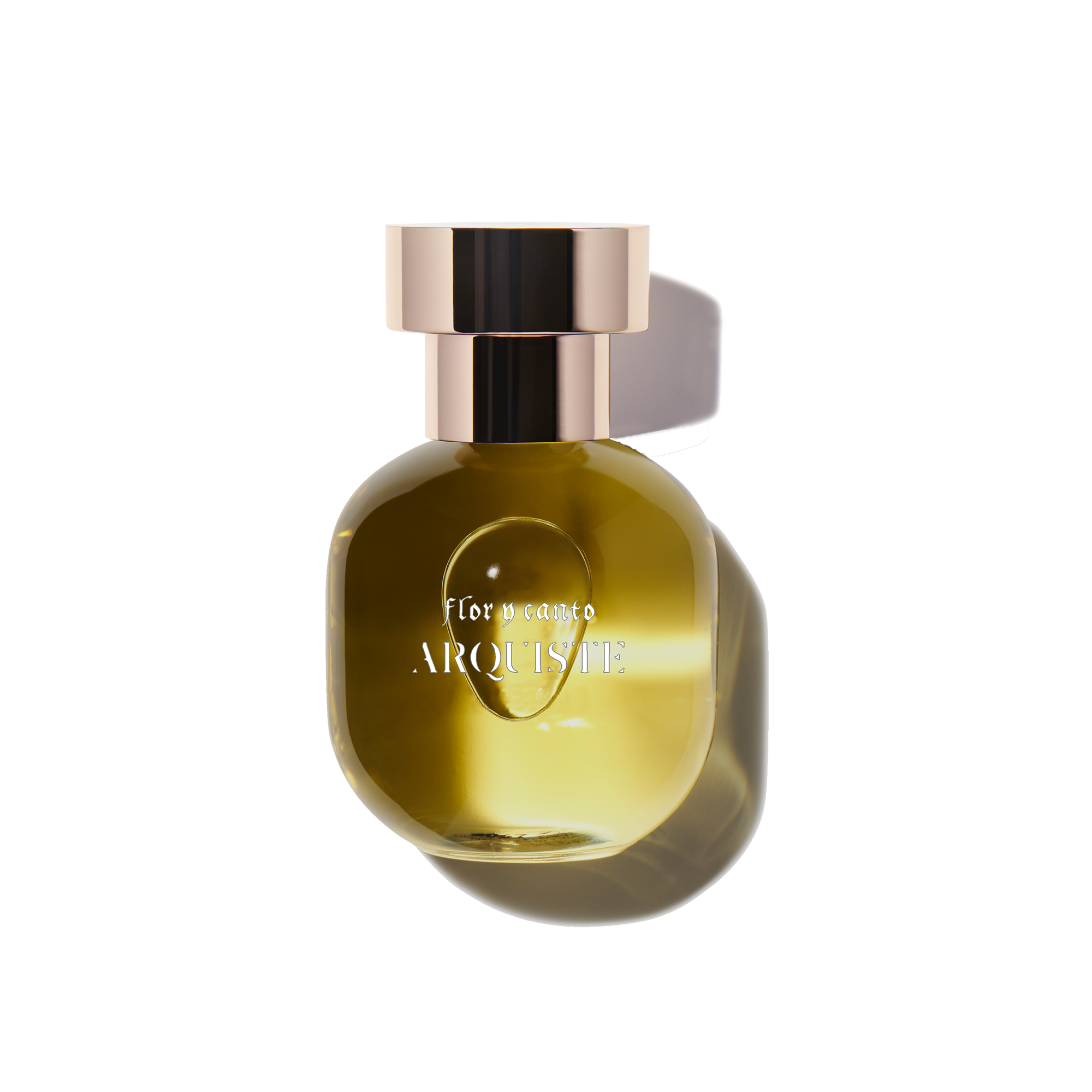
100 ml / 3.4 fl oz. Eau de Parfum
History
August, 1400, Tenochtitlan, Mexico.
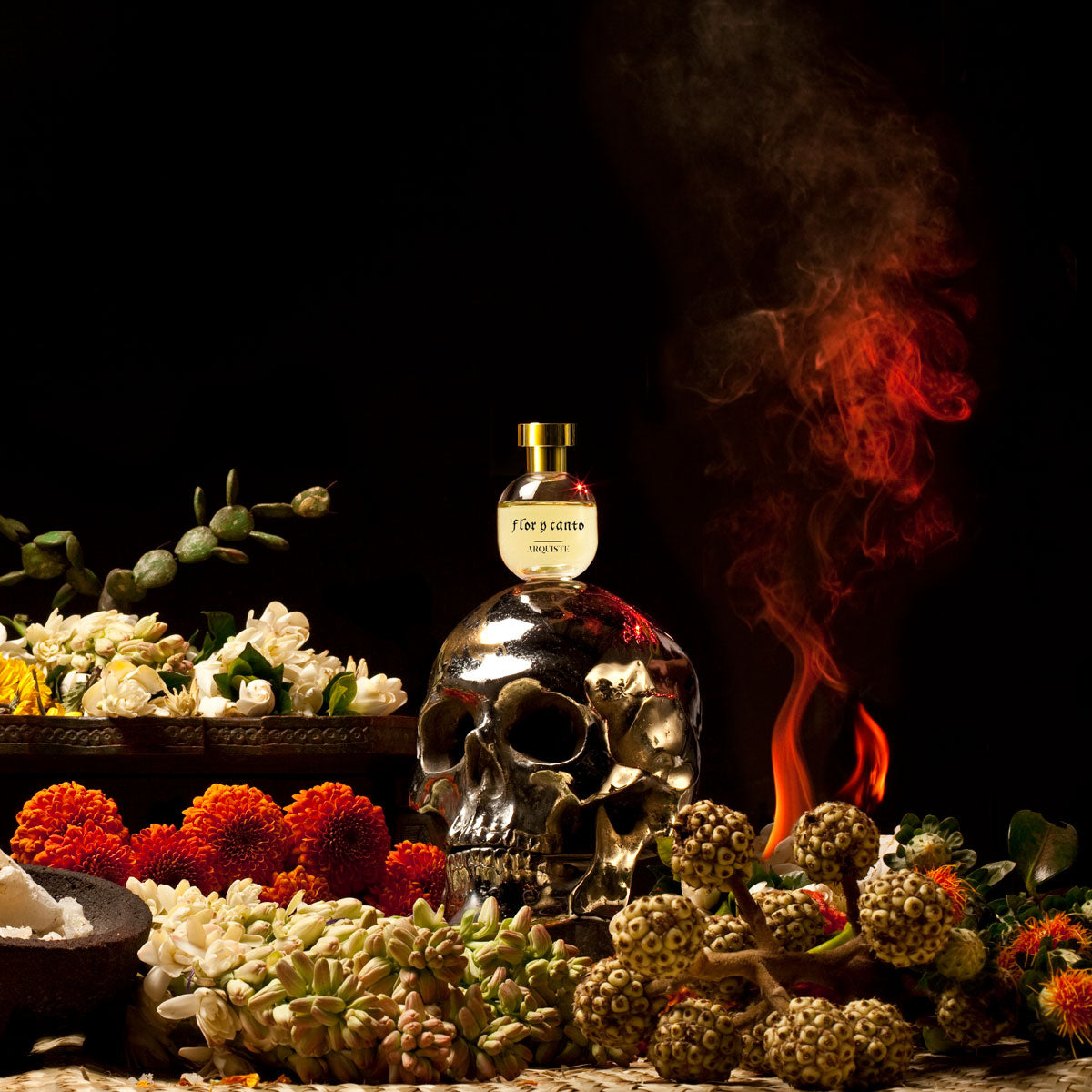
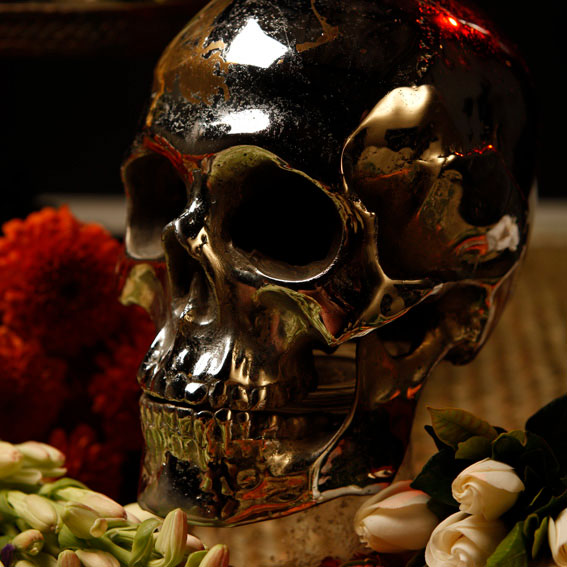
On the most fragrant festival in the Aztec calendar, the rhythm of drums palpitates as a wealth of flowers is offered on temple altars. Billowing clouds of Copal act as a backdrop to the intoxicating breath of Tuberose, Magnolia, Plumeria and the intensely yellow aroma of the sacred Marigold, Cempoalxochitl.
Developed with Rodrigo Flores Roux.
Description
Five Mexican flowers offered on temple altars believed by the Aztecs to be the intoxicating scent of Xochiquetzal, the goddess of beauty. Natural, opulent & explosive.
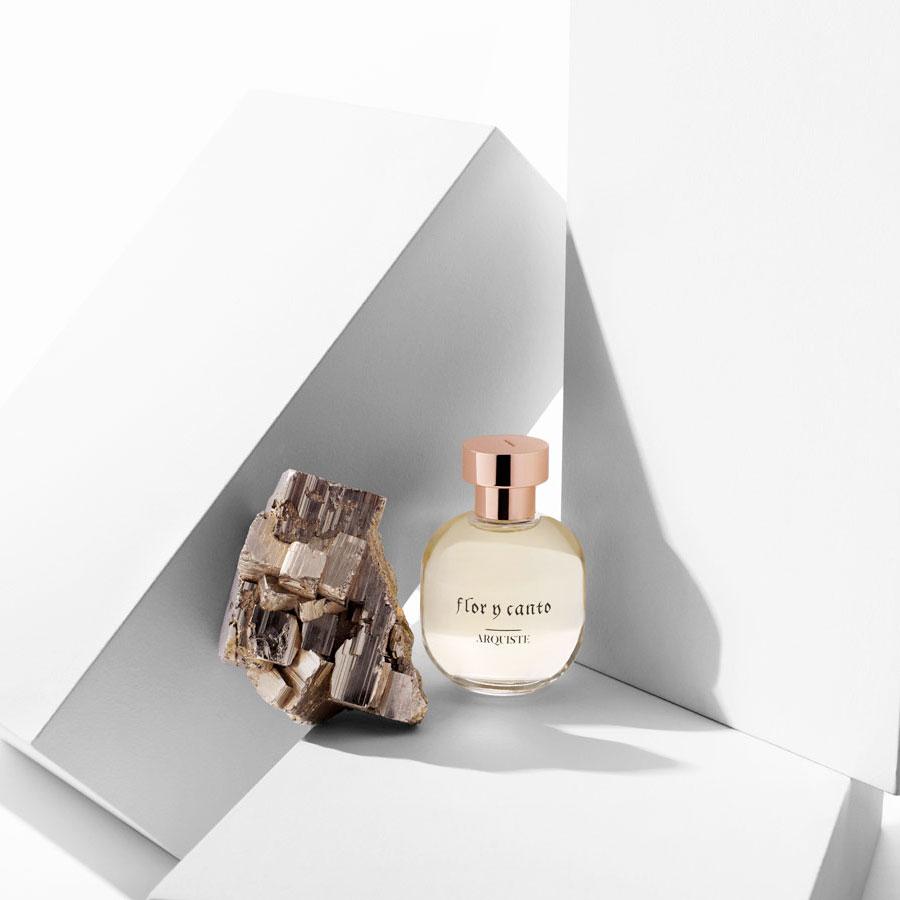
The signature ARQUISTE design consists of an ergonomic round bottle that feels great in your hands. Made of the highest quality glass in Parma, Italy, its complemented by a high-quality engraved metal cap, a fine mist spray pump and the newest technology for a crystal spray tube.
More
- Two Aztec deities were closely associated with flora: Xochipili, the ‘Prince of Flowers’ was the god of summer. The exquisite body of his wife Xochiquetzal, was believed to be the source of all floral scents.
- The Aztec Gods received their offerings through fragrant smoke: White Copal, an aromatic tree resin used by Mesoamerican cultures as burned incense, acts as a cool, menthol backdrop to the rich floral scents.
- The velvety scent of Omixochitl or Mexican Tuberose is spiked by a warm-but-cold sweetness that was thought to attract benevolent spirits.
- Flowers and vegetables for the Mexico City market are still cultivated in Xochimilco, an area composed of floating gardens, known as chinampas, which dates from Aztec times.
Bio
– Caso, Alfonso, The Aztecs: People of the Sun, translated by Lowell Dunham, illustrated by Miguel Covarrubias; Norman: Oklahoma University Press, 1958.
– Velasco Lozano, Ana María L. & Nagao, Debra, Mitologia y Simbolismo de las Flores, “Arqueologia Mexicana” Magazine, Las Flores en el Mexico Prehispanico, Numero 78, Mexico City, 2006.
– Cañizares-Esguerra, Jorge, Puritan conquistadors: Iberianizing the Atlantic, 1550-1700, Stanford University Press, Stanford, California, 2006.
Image

FLOR Y CANTO
Payment Methods





Shipping
To help ensure your order arrives safely and on time, ARQUISTE®ships exclusively with UPS and FedEx Ground. USPS and DHL are no longer available due to ongoing delivery reliability concerns. ARQUISTE® strongly recommends adding Route package protection. Please note ARQUISTE ships exclusively within the continental US.
FLOR Y CANTO
Top Notes
Mexican acacia
Marigold
Crushed leaf accents
Heart Notes
Tuberose absolute
Magnolia grandiflora
Red and white plumeria
Base Notes
Copal (Mexican incense)
Benzoin
Mexican vanilla bean
Intro
In Aztec Mexico, flowers were an august offering to Gods and Princes. Transporting you to a temple altar where heaps of flowers exude their intoxicating scent, FLOR Y CANTO is a white floral fragrance with a subtle copal incense base. Focusing on the highest quality natural essences and absolutes of five native Mexican flowers: Mexican tuberose, magnolia grandiflora, plumeria, marigold and wild acacia.
100 ml / 3.4 fl oz. Eau de Parfum
History
August, 1400, Tenochtitlan, Mexico.
On the most fragrant festival in the Aztec calendar, the rhythm of drums palpitates as a wealth of flowers is offered on temple altars. Billowing clouds of Copal act as a backdrop to the intoxicating breath of Tuberose, Magnolia, Plumeria and the intensely yellow aroma of the sacred Marigold, Cempoalxochitl.
Developed with Rodrigo Flores Roux.
Description
Five Mexican flowers offered on temple altars believed by the Aztecs to be the intoxicating scent of Xochiquetzal, the goddess of beauty. Natural, opulent & explosive.
The signature ARQUISTE design consists of an ergonomic round bottle that feels great in your hands. Made of the highest quality glass in Parma, Italy, its complemented by a high-quality engraved metal cap, a fine mist spray pump and the newest technology for a crystal spray tube.
More
- Two Aztec deities were closely associated with flora: Xochipili, the ‘Prince of Flowers’ was the god of summer. The exquisite body of his wife Xochiquetzal, was believed to be the source of all floral scents.
- The Aztec Gods received their offerings through fragrant smoke: White Copal, an aromatic tree resin used by Mesoamerican cultures as burned incense, acts as a cool, menthol backdrop to the rich floral scents.
- The velvety scent of Omixochitl or Mexican Tuberose is spiked by a warm-but-cold sweetness that was thought to attract benevolent spirits.
- Flowers and vegetables for the Mexico City market are still cultivated in Xochimilco, an area composed of floating gardens, known as chinampas, which dates from Aztec times.
Bio
– Caso, Alfonso, The Aztecs: People of the Sun, translated by Lowell Dunham, illustrated by Miguel Covarrubias; Norman: Oklahoma University Press, 1958.
– Velasco Lozano, Ana María L. & Nagao, Debra, Mitologia y Simbolismo de las Flores, “Arqueologia Mexicana” Magazine, Las Flores en el Mexico Prehispanico, Numero 78, Mexico City, 2006.
– Cañizares-Esguerra, Jorge, Puritan conquistadors: Iberianizing the Atlantic, 1550-1700, Stanford University Press, Stanford, California, 2006.
Image